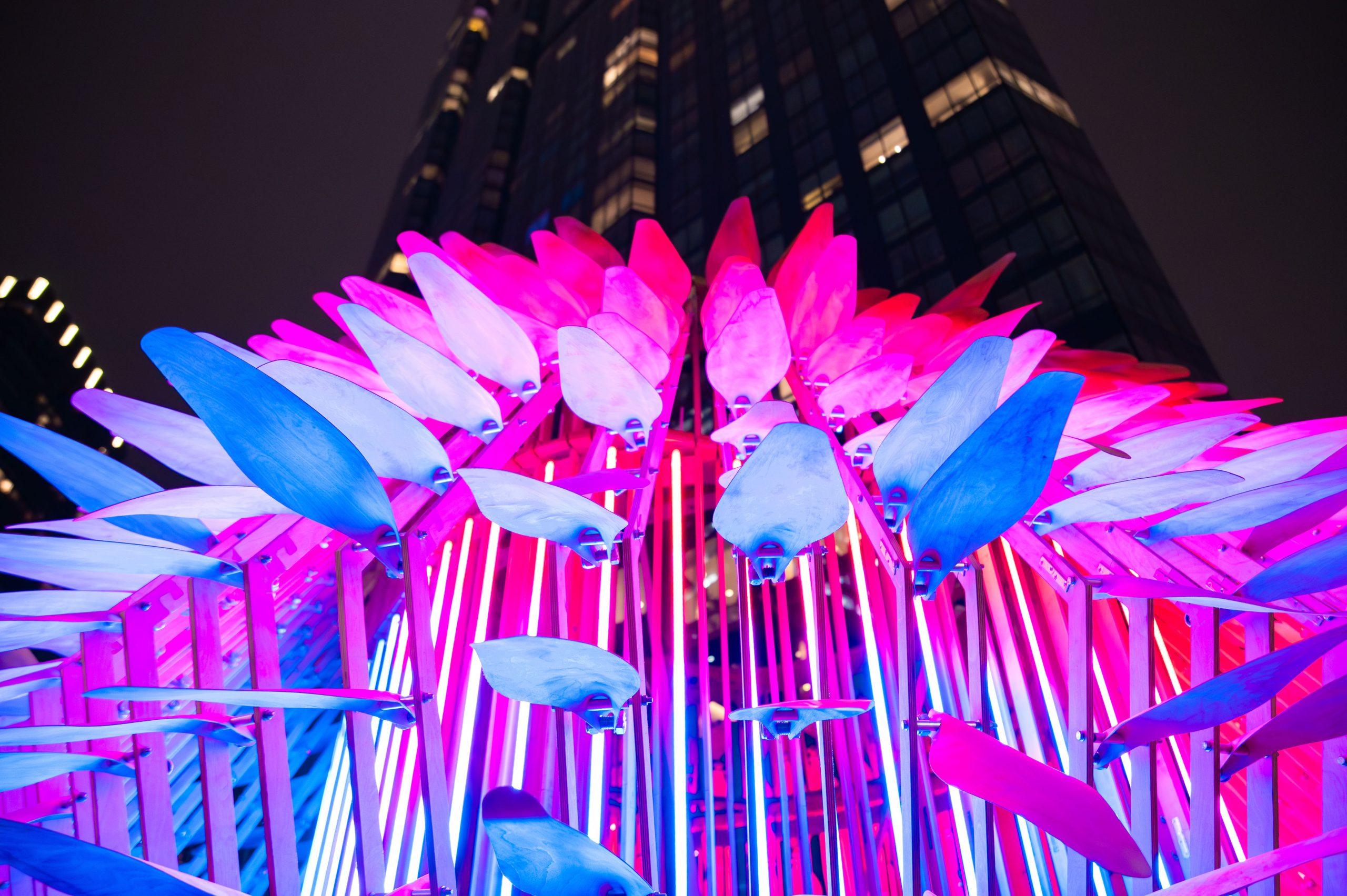
<br><br />What if urban furniture were more than just a collection of objects designed to furnish our streets, parks and public squares? What if it could also help make our cities more vibrant, creative and human?
A bench, swing, exhibition structure or interactive installation may seem like a simple feature of the urban landscape, yet they have a profound influence on how we experience the city: where we stop, how long we stay, what we notice and, sometimes, who we connect with along the way.
Urban furniture, often designed primarily to meet functional needs, represents an exciting space for creative exploration, at the intersection of design, public art, architecture and urban planning. It offers an opportunity to rethink shared spaces not simply as places to pass through, but as places to experience, discover and enjoy together.
At Wireframe, this thinking is closely connected to our practice. We are interested in how an artistic intervention or installation can transform the way a place is perceived, enrich its surroundings and create new opportunities for connection. Urban furniture opens up further possibilities to explore these ideas and imagine cities where functionality, creativity and shared experiences come together.
A city where we can simply be
A vibrant city is not just a place where people commute, work or shop. It is also a place where they can wander, slow down and take time to do nothing in particular. Sit in the sun, read a book, watch people go by.
This may seem like a simple pleasure, but it is essential to the quality of urban life. Public spaces are among the few places where people of different ages, backgrounds and walks of life can share the same environment freely, without the need for a commercial transaction or an organized activity.
Urban furniture plays a practical role in making this possible. A well-placed seat can make a walk more accessible for an older person, offer a break for a family or allow someone to enjoy a neighbourhood without having to visit a business. A table, play structure or shaded area can encourage people to spend more time outdoors and create more opportunities to share a space.
In The Social Life of Small Urban Spaces (1980), William H. Whyte demonstrates how the presence, arrangement and comfort of seating influence how public spaces are used and how people interact. In Life Between Buildings, architect Jan Gehl also advocates for a city designed on a human scale. He suggests a simple principle: providing an opportunity to sit approximately every 100 metres, allowing people to experience the city at their own pace.
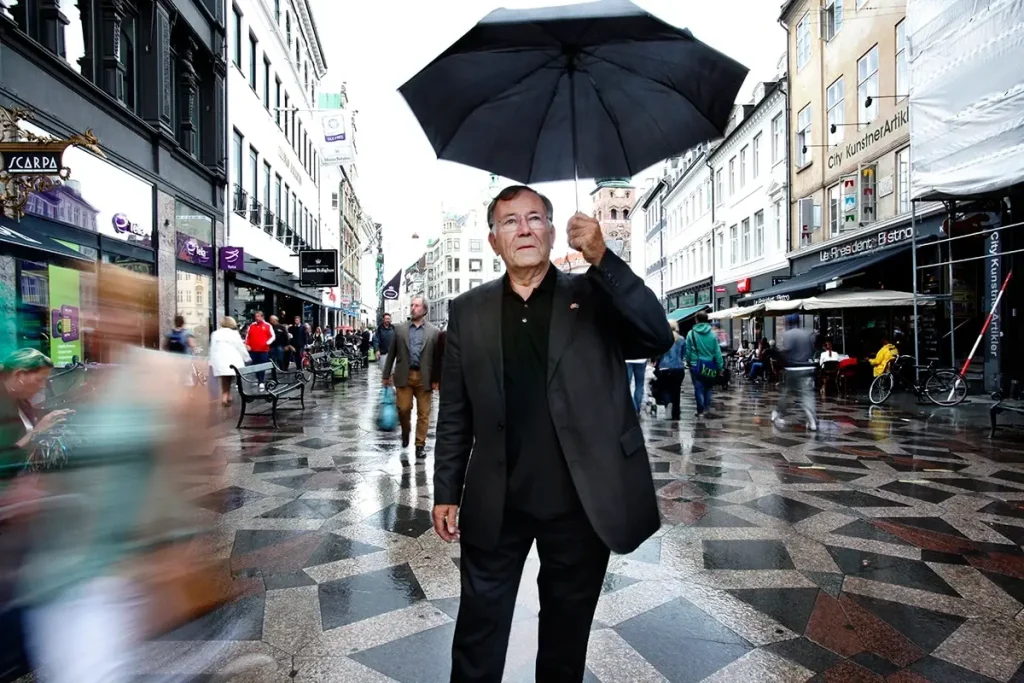
These ideas remind us that a welcoming city is not shaped by its buildings and infrastructure alone. It is also built through the small considerations that make everyday life more comfortable and accessible.
When urban furniture becomes an invitation to connect
Urban furniture can become a platform for experimentation, both through the uses it encourages and the interactions it inspires. Daily tous les jours‘ 21 Swings and Jeppe Hein‘s Modified Social Benches offer two examples, each in its own way.
In Montréal, Daily tous les jours‘ 21 Swings have become an iconic example of this approach. First installed in the Quartier des spectacles in 2011, these musical swings transform an individual activity — swinging — into a shared musical experience. Each swing triggers the notes of a different instrument. When several people swing together, their movements combine to create a melody, with certain harmonies emerging only through their synchronization.

The installation reimagines an object traditionally associated with childhood as an instrument of cooperation, accessible to everyone, regardless of musical experience. It encourages passersby to participate, experiment and adjust their movements to those of others. Strangers become, for a moment, collaborators in a shared creative experience.
Wireframe produced the project, an experience that perfectly illustrates our interest in interventions that turn public spaces into places for participation and shared experiences.
Beyond its playful nature, the project helped establish the Promenade des Artistes as a gathering place and a much-anticipated seasonal attraction for Montréalers. It shows how an installation can reshape urban habits, strengthen a neighbourhood’s sense of belonging and bring a new dimension to public space.
While 21 Swings creates a collective experience through play and music, Danish artist Jeppe Hein explores another way of encouraging interaction: by transforming the very form of urban furniture. In his Modified Social Benches series, he reimagines the familiar shape of the public bench. Seats curve, fold or take on unexpected configurations, turning the simple act of sitting down into a physical and social experience.

Somewhere between sculpture and functional furniture, these benches challenge our habits, spark curiosity and invite us to interact differently with our surroundings and with one another.
This approach reminds us that urban design can also have a critical and poetic dimension. Sometimes, a simple change in form is enough to spark curiosity, shift our perception of a place and make us reconsider our everyday habits.
But interventions in public space do more than transform how we use places or interact with one another. They can also create room for artistic expression in the places we encounter every day.
Making public space a place for cultural discovery
By bringing artworks into public spaces, art moves beyond museums and galleries to reach people as they go about their daily lives, along their everyday routes and walks.
This is something we are exploring with Marie-Eve Bourassa’s Bloom, a collection of modular structures designed to create outdoor exhibition spaces. Arches, art benches and columns provide a setting for artworks and form cultural pathways throughout neighbourhoods.

As Alice Berthault, Curator and Director of Production at Wireframe, explains:
“This approach opens up possibilities that go beyond simply displaying artworks: showcasing local artists, telling the story of a neighbourhood, making different communities more visible or bringing cultural programming to areas with limited cultural infrastructure.”
Urban furniture then becomes much more than a functional or scenographic support. It contributes to the cultural life of neighbourhoods and helps highlight their identity.
Let’s imagine new ways of experiencing the city together
Artistic creation can enrich our experience of the city in many ways: by transforming a familiar place, encouraging new uses or creating opportunities for discovery and connection. Whether through urban furniture, artistic installations or public-space interventions, each project can offer a fresh perspective on the places we share.
This is the perspective we bring to our work at Wireframe, bringing together curatorial thinking, design, architecture and production. We believe in interventions that respond to the needs of a place while adding a sensory, cultural or unexpected dimension.
How can we bring more play into our streets? How can we create spaces where different generations can come together? How can comfort, functionality and artistic expression coexist? And how can culture become part of everyday life, beyond institutions and occasional events?
We want to continue exploring these questions alongside cities, boroughs, artists, architects and designers. Together, we can imagine projects that welcome, surprise and bring people closer. Human-scale interventions that help make our cities more vibrant.
Considering an artistic project, the transformation of a public space or a new way to bring a place to life? Let’s talk. At Wireframe, we love imagining what can happen at the intersection of art, design and everyday life.
Photo credit header image: 21 Swings, Daily tous les jours